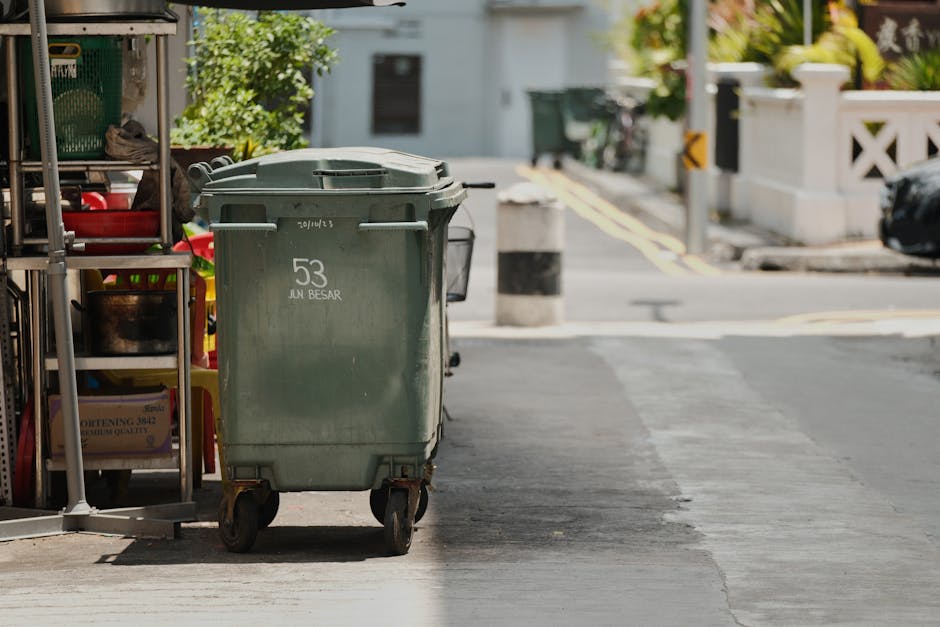
Islington Council Rules for Waste and Cleaning Disposal: A Practical Guide for Homes, Landlords, and Local Businesses
If you are trying to make sense of Islington Council rules for waste and cleaning disposal, you are not alone. Between bin collections, bulky waste, cleaning liquids, tenancy clear-outs, and what counts as fly-tipping, the rules can feel oddly specific and, frankly, a bit fiddly. One wrong bag, one missed collection, and suddenly a tidy job turns into a problem you really did not want.
This guide breaks everything down in plain English. You will learn how the rules generally work, what usually matters most in day-to-day life, where people go wrong, and how to handle waste after deep cleans, moves, renovations, or office refreshes without creating hassle for yourself. We will also look at sensible best practice, compliance basics, and a few real-world situations that come up again and again in Islington.
And yes, there is a fair bit to think about. But once you understand the pattern, it becomes much easier.
Why Islington Council rules for waste and cleaning disposal Matters
Waste rules are not just about putting things out on the right day. In Islington, they help keep streets clear, prevent smells and pests, reduce contamination in recycling, and stop avoidable enforcement issues. That might sound obvious, but in busy parts of North London it matters more than people expect. A single overfilled bag outside a terraced house can attract seagulls, foxes, or a trail of mess before breakfast.
For households, the main value is simple: your waste gets collected when it should, and your home stays manageable. For landlords and tenants, it helps with end-of-tenancy handovers and avoids disputes about who left what behind. For businesses, especially offices, clinics, shops, and small hospitality sites, getting disposal wrong can create complaints very quickly. Nobody wants cleaning day to end with a pile of skipped rubbish by the kerb.
There is also a reputation angle. Streets that are treated properly tend to stay cleaner. One careless disposal habit can affect a whole row of neighbours. To be fair, that is why councils are so particular. Waste is shared space, even when it comes from one property.
If you are organising a deeper property clean, it can help to think about the whole job in one go. A professional service such as deep cleaning or end of tenancy cleaning often creates more waste than people first expect, from packaging and wipes to old linens, broken items, and leftover materials that need sorting properly.
How Islington Council rules for waste and cleaning disposal Works
Most council waste systems follow a similar pattern, even though the detail differs from borough to borough. In simple terms, you separate what can go in general waste, what can be recycled, and what needs special handling. Then you present it according to the collection schedule or use an approved disposal route.
In practice, that means the rules usually cover five broad areas:
- Household waste: ordinary rubbish, bagged and stored in the right containers.
- Recycling: paper, card, plastics, glass, cans, and other accepted items, kept clean enough to avoid contamination.
- Food and garden waste: where provided, this has its own collection rules and contamination limits.
- Bulky waste: furniture, mattresses, white goods, and large items generally need a separate arrangement.
- Cleaning waste: mop water, dirty cloths, packaging, used gloves, aerosols, and chemical containers need careful judgment, especially if they are contaminated.
The tricky bit is that not all waste from cleaning jobs belongs in the same bin. A few wiped-up crumbs are one thing. Strong chemical residues, paint, plaster, broken glass, or damp, contaminated materials are another. That is where common sense needs to meet local rules.
If you are handling a post-build or renovation clean, the waste profile changes again. A service like after builders cleaning tends to generate dust, rubble particles, tape, packaging, and sometimes sharp offcuts. That sort of waste should be separated carefully, not bundled together in a way that makes collection or disposal awkward.
One useful way to think about it is this: if you can safely and legally recycle it, do that first. If it is general rubbish, keep it contained and put it out the correct way. If it is hazardous, messy, or bulky, stop and check the appropriate route before you leave it outside. Simple, but easy to forget at 7:30 on a wet Tuesday morning.
Key Benefits and Practical Advantages
Following the rules is not only about compliance. There are some very real practical wins too.
- Cleaner streets and less nuisance: fewer overflowing bags, less wind-blown litter, and less risk of pests.
- Better recycling outcomes: correct sorting means fewer loads get rejected or downgraded.
- Less stress on collection day: you know what to put out, where to put it, and when.
- Reduced risk of fines or complaints: especially useful for landlords, HMOs, and commercial premises.
- Safer cleaning operations: fewer slips, fewer sharp items lying around, and less exposure to chemicals.
- Better tenancy turnover: a tidy waste process makes move-outs and inspections smoother.
There is also a quieter benefit people often overlook: better planning. Once you know how disposal should work, you can schedule a clean, clear-out, or refresh with less guesswork. That helps whether you are a homeowner trying to declutter or an office manager trying to get through a Friday reset without chaos.
For many households, the difference is noticeable after a big clean. The flat smells fresher, the hallway stays clearer, and you are not staring at three mystery bags wondering which bin day they belong to. Honestly, that sense of order does a lot.
If part of the job involves soft furnishings or floors, it helps to build the disposal plan around the clean itself. Services such as carpet cleaning, sofa cleaning, and window cleaning can leave behind used cloths, empty packaging, or protective materials that should be removed correctly rather than left in a pile for later.
Who This Is For and When It Makes Sense
This topic matters to a wider group than people sometimes think. It is not just for residents with overflowing bins. The rules affect anyone creating waste while cleaning, clearing, or maintaining a property in Islington.
Homeowners need this when they are spring-cleaning, replacing furniture, clearing a loft, or disposing of items after DIY. Tenants need it when they are moving out and trying to avoid deductions or disputes. Landlords and letting agents need it to keep properties ready for the next occupant. Office managers need it when refurbishing, deep cleaning, or clearing up after a fit-out. And property managers need a reliable process because waste issues can snowball quickly across multiple sites.
If you are working with cleaners or organising a one-off project, this becomes especially relevant. A professional cleaning company should understand basic waste separation, but it still helps if the client knows what should happen to the waste stream. No one likes guessing where the old packaging goes when the job is nearly finished.
It also makes sense if you are dealing with a property that has accumulated more than everyday rubbish. That could be a garage clearance, a post-renovation clean, or a tough domestic reset. In those cases, house clearance or domestic cleaning may need to be planned alongside disposal, not after it. That small shift in planning saves time.
Step-by-Step Guidance
Here is the most practical way to deal with waste and cleaning disposal without making it harder than it needs to be.
- Identify the waste type. Is it general rubbish, recycling, food waste, bulky waste, or something contaminated?
- Separate items as early as possible. The sooner you sort things, the less chance of cross-contamination.
- Keep hazardous or sharp material apart. Broken glass, blades, and chemical containers should never be mixed loosely with ordinary waste.
- Check whether the item can be reused or donated. Not everything needs to be thrown away. Some furniture or equipment may still be usable.
- Bag and contain waste properly. Loose waste causes the most problems on pavements and in communal areas.
- Follow collection timing carefully. Put waste out too early and it becomes a street issue; too late and you miss collection.
- Arrange bulky or specialist disposal where needed. Don't leave large items outside and hope for the best. That usually ends badly.
- Clean the area after removal. A final sweep or wipe-down helps remove residue, dust, and odour.
That last step is surprisingly important. A room can look empty but still feel dirty if there is plaster dust along the skirting, sticky residue on tiles, or mop water left in a corner. If you are doing a full refresh, a one-off cleaning visit can be a sensible way to finish the job properly without dragging the task across several evenings.
One more thing: if you are moving out, do the disposal plan before the final clean, not after it. That sounds obvious, but in the real world people often clean first, then realise they still have three bags of clutter, a broken lamp, and a bin cupboard full of odds and ends. A classic little mess. Happens all the time.
Expert Tips for Better Results
In our experience, the smoothest waste disposal jobs come from a few habits done consistently, not from heroic last-minute effort.
- Use a "keep, recycle, bin, specialist" system. Four piles are often better than two.
- Label bags or boxes during larger cleans. It stops people from mixing items back together later.
- Empty bins before the final clean. Otherwise you end up cleaning around smells and drips.
- Use sturdy liners for damp or heavy waste. Thin bags split at the worst moment, usually on the stairs.
- Don't overfill recycling containers. Contamination or overflow can turn a simple job into a rejected collection.
- Keep cleaning chemicals sealed and upright. Even small leaks can make a bin area unpleasant fast.
- Plan for access. If bags need to pass through communal hallways or narrow front steps, move them carefully and in smaller loads.
A tiny but useful habit is to keep a spare box near the end of a clean for forgotten items: batteries, cables, screws, old hangers, and similar bits that always appear from nowhere. You know the sort. They somehow breed in drawers.
For homes with carpets, rugs, or upholstery, it can help to do disposal in tandem with the cleaning sequence. For example, vacuum and treat the surface first, then remove the waste created by the process. That is cleaner, safer, and less likely to spread dust back around the property. A well-timed rug cleaning or upholstery cleaning job can make the final disposal step much simpler.
Common Mistakes to Avoid
A lot of waste problems come from very ordinary mistakes. They are easy to make, which is exactly why they keep happening.
- Leaving bags out too early: this can create clutter, attract animals, and cause complaints.
- Mixing recyclables with food or cleaning residue: contaminated recycling is often a wasted collection.
- Dumping bulky items beside communal bins: this is one of the fastest ways to get on the wrong side of neighbours.
- Throwing hazardous materials into normal waste: chemicals and sharp items need special care.
- Forgetting about packaging: boxes, film wrap, and polystyrene can add up quickly after furniture or cleaning supply deliveries.
- Assuming a cleaner will remove everything: unless agreed in advance, waste disposal responsibilities can be separate.
- Ignoring shared-access rules in flats: communal spaces are not a storage area. They never were.
The biggest mistake, though, is probably not planning for the waste at all. A clean feels simple until the "after" stage appears. Then suddenly there are empty bottles, dirty cloths, and things that cannot just be left in the hallway. That is the moment where the whole job either stays smooth or becomes a headache.
If you are arranging regular support, it may be worth looking at cleaners or home cleaners who can work in a tidy, controlled way and leave the space properly cleared down at the end.
Tools, Resources and Recommendations
You do not need a complicated setup to handle waste well. A few basic tools make most of the difference.
- Heavy-duty bin bags: useful for heavier general waste and post-clean debris.
- Clear plastic boxes or crates: ideal for separating reusable items, cables, and small hardware.
- Labels or marker pens: very helpful during moves, clear-outs, or larger cleans.
- Dustpan, broom, and handheld vacuum: these help finish the job after waste removal.
- Gloves and basic protective gear: sensible when handling sharp or dirty items.
- Sealable containers: useful for cleaning chemicals, residues, or damp cloths.
From a service-planning perspective, it also helps to think about what kind of cleaning work you are doing. A domestic refresh needs a different waste plan from an office reset or an end-of-tenancy turnaround. For workplace jobs, especially, office cleaning and office cleaners can reduce mess during the process, but someone still has to manage the final disposal properly.
If hard flooring is involved, leftover dust and debris often collect in the edges and under furniture. A proper hard floor cleaning finish helps stop small waste particles from being overlooked. And if the job includes a lot of residual grime, oven cleaner or oven cleaning work can produce greasy waste that needs careful bagging rather than loose disposal.
Law, Compliance, Standards, or Best Practice
When people search for council waste rules, they are often really asking two questions: what is allowed, and what could get me into trouble? The safest answer is to follow the council's published collection guidance, treat waste responsibly, and avoid leaving anything on the street or pavement unless it is specifically meant for collection in that form.
In the UK, waste disposal is shaped by general environmental and duty-of-care principles. In plain terms, that means you should only pass waste on to the right route, avoid careless dumping, and make reasonable efforts to prevent pollution or nuisance. For businesses and landlords, the expectation is usually even higher because waste can be linked to tenancy agreements, health and safety, and local enforcement.
Best practice usually includes:
- keeping waste separate from recycling where possible;
- avoiding contamination from food, liquids, or chemicals;
- storing waste securely before collection;
- using approved routes for bulky or specialist items;
- documenting arrangements for larger clear-outs or commercial waste where needed.
If you run a business, compliance also means staying organised during cleaning cycles. A company that offers cleaning company services should ideally support a tidy, safe process that reduces disruption to staff and visitors. It is one thing to make a place look clean. It is another to leave the waste trail properly managed too.
Where uncertainty exists, the cautious route is the sensible route. That might mean waiting to place an item out until you are sure about collection, or separating it for specialist disposal rather than making a guess. Guessing is rarely the winner here.
Options, Methods, and Comparison Table
Different waste situations call for different methods. This quick comparison should help you choose the right approach without overcomplicating things.
| Method | Best for | Pros | Watch out for |
|---|---|---|---|
| Kerbside general waste | Everyday household rubbish | Simple, familiar, usually low effort | Overfilling, loose items, missed timing |
| Kerbside recycling | Clean recyclable material | Reduces landfill and supports reuse | Contamination from food, liquid, or cleaning residue |
| Bulky waste arrangement | Large items like furniture or appliances | Properly handled, less street clutter | Needs planning and may have restrictions |
| House clearance | Whole-room, loft, or full-property clear-outs | Efficient for larger volumes | Requires sorting and access planning |
| Professional cleaning plus disposal plan | End-of-tenancy, deep clean, or post-build work | Cleaner finish, less stress, more consistency | Needs clear agreement on what is included |
For many people, the best option is a blend of methods rather than one single answer. A flat might use kerbside recycling for packaging, a separate route for old furniture, and a final deep clean to remove dust and residue. That combination often works better than trying to force everything into one bin day.
Case Study or Real-World Example
Imagine a two-bedroom flat in Highbury after a tenancy ends. The rooms are mostly clear, but the kitchen has old cleaning products, the bedroom still has broken hangers and packaging, and the sitting room needs a proper floor and upholstery refresh before the next viewing.
The sensible sequence would look something like this:
- sort reusable items from true waste;
- separate recycling such as cardboard, clean plastic, and cans;
- bag general waste securely;
- keep any sharp or hazardous pieces apart;
- arrange removal of bulky items that do not belong in normal bins;
- finish with a targeted clean so dust and grime are not left behind.
That approach avoids the all-too-common "clean first, sort later" problem. A cleaner room actually makes disposal easier because you can see what remains. And once the waste is gone, the place feels calmer straight away. You hear the echo a little. You notice the windows. It is oddly satisfying, to be fair.
For larger domestic resets, people often pair this with house cleaning or a more focused one-off cleaning visit so the property is left in one coherent state rather than half-finished across different days.
Practical Checklist
Use this before collection day, after a clear-out, or at the end of a cleaning job.
- Have I separated recycling from general waste?
- Are all bags sealed, manageable, and not overfilled?
- Have I removed liquids, sharp items, and hazardous residue from ordinary rubbish?
- Do any bulky items need a separate disposal route?
- Have I checked whether anything can be reused or donated?
- Are communal areas clear and unobstructed?
- Have I avoided putting waste out too early?
- Have I wiped, swept, or vacuumed the area after removal?
- Do I know who is responsible for waste disposal if this is a tenancy or contract clean?
- Is the remaining waste safe to store until the correct collection or removal day?
If you can answer yes to most of those, you are usually in good shape. Not perfect, maybe, but solid. And in waste management, solid is what you want.
Get a free quote today and see how much you can save.
Conclusion
Islington Council rules for waste and cleaning disposal make more sense once you break them into everyday decisions: sort properly, avoid contamination, contain waste securely, and use the right route for bulky or special items. That is the heart of it. The rest is mostly habit.
Whether you are a resident, landlord, tenant, or business owner, the best results come from planning waste at the same time as the cleaning itself. That is the bit people often miss. Clean first, think later sounds convenient, but it usually creates extra work. A better system is calmer, safer, and kinder to the people sharing the street.
When in doubt, slow down, separate things properly, and keep the final disposal step part of the job, not an afterthought. It makes a bigger difference than you might think.
And if the whole place is due a refresh anyway, there is real value in getting the clean and disposal side working together. Little things add up, and a tidy plan can make a home or workplace feel lighter almost immediately. That is a good feeling to end on.
Frequently Asked Questions
What are Islington Council rules for waste and cleaning disposal in simple terms?
In simple terms, you should separate recyclable items from general rubbish, keep waste contained, avoid contamination, and use the correct route for bulky, hazardous, or specialist items.
Can I put cleaning waste in the normal rubbish bin?
Small amounts of ordinary cleaning waste usually can be placed in general waste, but anything sharp, heavily contaminated, or chemically risky should be handled more carefully. If there is uncertainty, separate it first.
What should I do with bulky items after a deep clean?
Bulky items such as furniture or appliances usually need a separate disposal route rather than being left by the bin. Arrange the correct collection or removal method before the clean is finished.
Do tenants or landlords have to deal with waste after a move-out?
That depends on the tenancy agreement and the condition of the property, but in practice the responsibility is often shared in some way. It is best to agree the waste plan before the end-of-tenancy inspection.
Can cleaners take away rubbish for me?
Sometimes, but only if it is clearly agreed in advance. Many cleaning jobs include the removal of everyday waste from the work area, but not full disposal of bulky or specialist items unless that service is part of the arrangement.
What happens if I put the wrong items in recycling?
Contaminated recycling can be rejected or downgraded, which means the load may not be processed as intended. Keeping recycling clean and separate is one of the easiest ways to avoid this.
Is it okay to leave bags outside early if I know collection is soon?
It is better not to. Bags left out early can block pavements, attract pests, and create unnecessary mess if the weather turns or the bags are disturbed.
How should I deal with cleaning chemicals?
Keep them sealed, upright, and separate from ordinary waste whenever possible. Empty containers may sometimes be recyclable depending on the material and local rules, but you should never assume that all chemical packaging is fine to mix in.
What is the best way to prepare for waste disposal after a house clearance?
Sort items into reuse, recycle, general waste, and specialist disposal categories before collection day. A house clearance is much smoother when the sorting is done early rather than in a hurry at the kerb.
Do office clean-ups follow the same waste rules as homes?
The basic idea is similar, but offices often create more packaging, paper, and mixed waste, so planning matters even more. For that kind of job, office cleaning should be paired with a clear waste routine.
What is the most common mistake people make?
The most common mistake is mixing waste types together and leaving the sorting until the end. Once items are mixed, disposal takes longer and the risk of contamination or non-collection goes up.
When should I use professional help instead of doing it myself?
If the waste is bulky, contaminated, time-sensitive, or simply too much to handle safely, professional help is usually the smarter option. It saves time, reduces stress, and helps avoid messy mistakes that are annoying to fix later.